AI in
Education
Meet the academic experts at the panel and discover what a university is for when AI can answer almost anything. Learn how higher education is adapting and what it offers that AI cannot.
Scroll to learn more
Panel: What is a university for in the age of AI?
Join us for an Expert Panel talk and discover whether AI is breaking or making the academic experience. Gain insight on how expert university staff are adapting to AI to benefit students and academics. Learn how the use of AI affects learning, teaching, and assessments, and how we can get the most out of AI for education.
Get a chance to ask questions at the open Q&A session.
Panellists
Leading figures in higher education discussing how AI is reshaping the learning environment, addressing the challenges of implementation, and outlining strategies to maximise the technology for both teaching and student success.
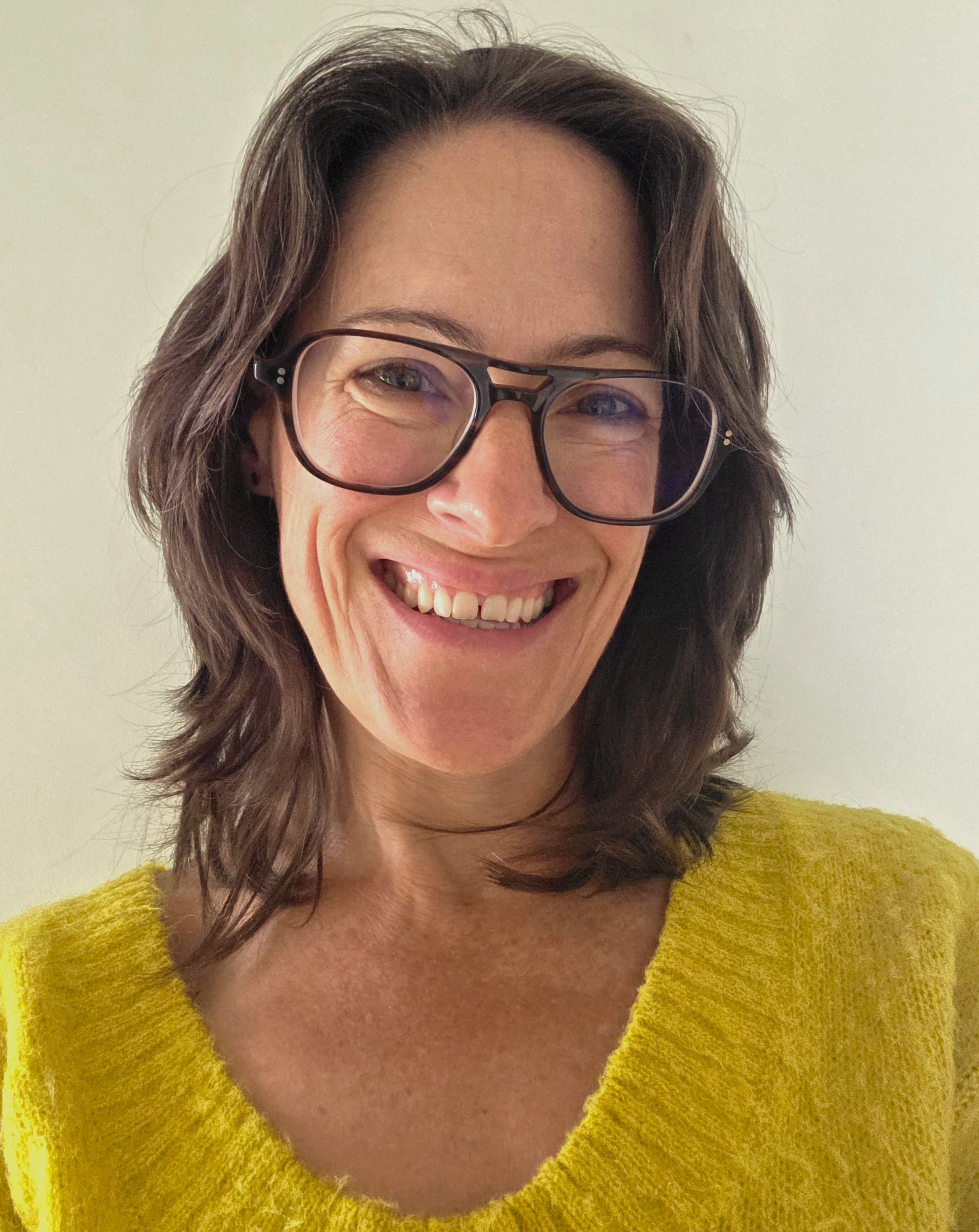
Professor Sarah K. Howard
Professor of Digital Education, Lead of the Centre for Research in Digital Education
Sarah Howard is Professor of Digital Education and Lead of the Centre for Research in Digital Education. Her work focuses on technology-related change and innovation in schools and higher education. She has collaborated with practitioners, government agencies, and industry partners—shaping digital education policy, practice, and curriculum across Australia, Europe, the UK, and the US.
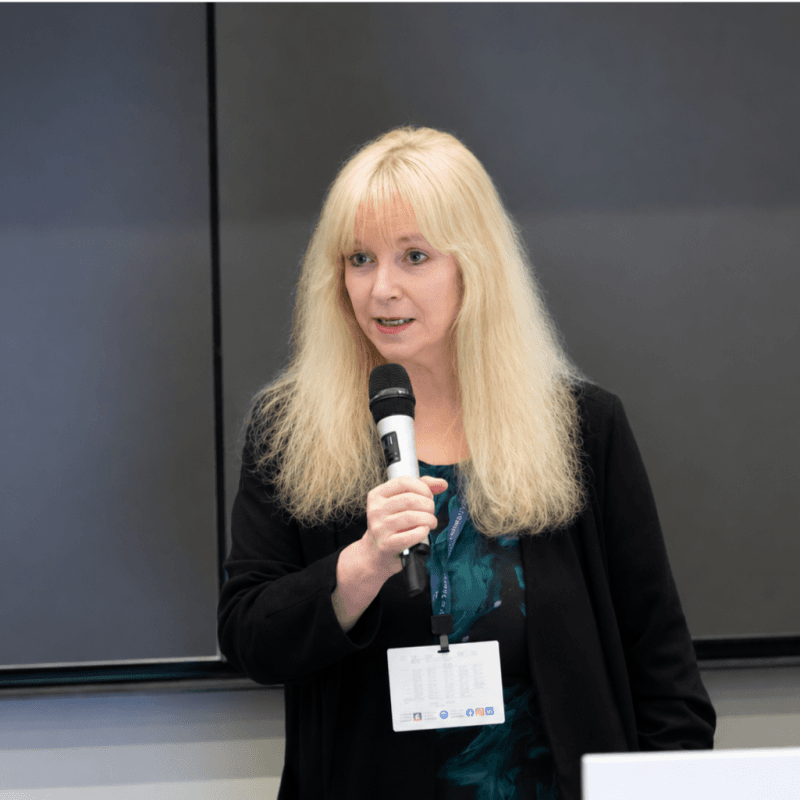
Dr Lorna Waddington
Associate Professor of International History, University Academic Lead for Academic Integrity
Dr Lorna Waddington is Associate Professor of International History at the University of Leeds and First Vice President of the International Association of Genocide Scholars. Author of Hitler's Crusade, she researches Nazi Germany, antisemitism, and Britain's response to ethnic cleansing and genocide — most recently Cambodia (Journal of Genocide Research, 2025) and Bosnia. As Leeds' Academic Lead for Academic Integrity, she also examines the ethical and governance implications of generative AI in research and teaching. Testing AI systems against the material of her field, she has developed a typology of how such tools fail researchers working on sensitive subjects. She shares this work with UNESCO, UNITAR and the European Network for Academic Integrity, and contributes commentary to The Guardian and Times Higher Education.
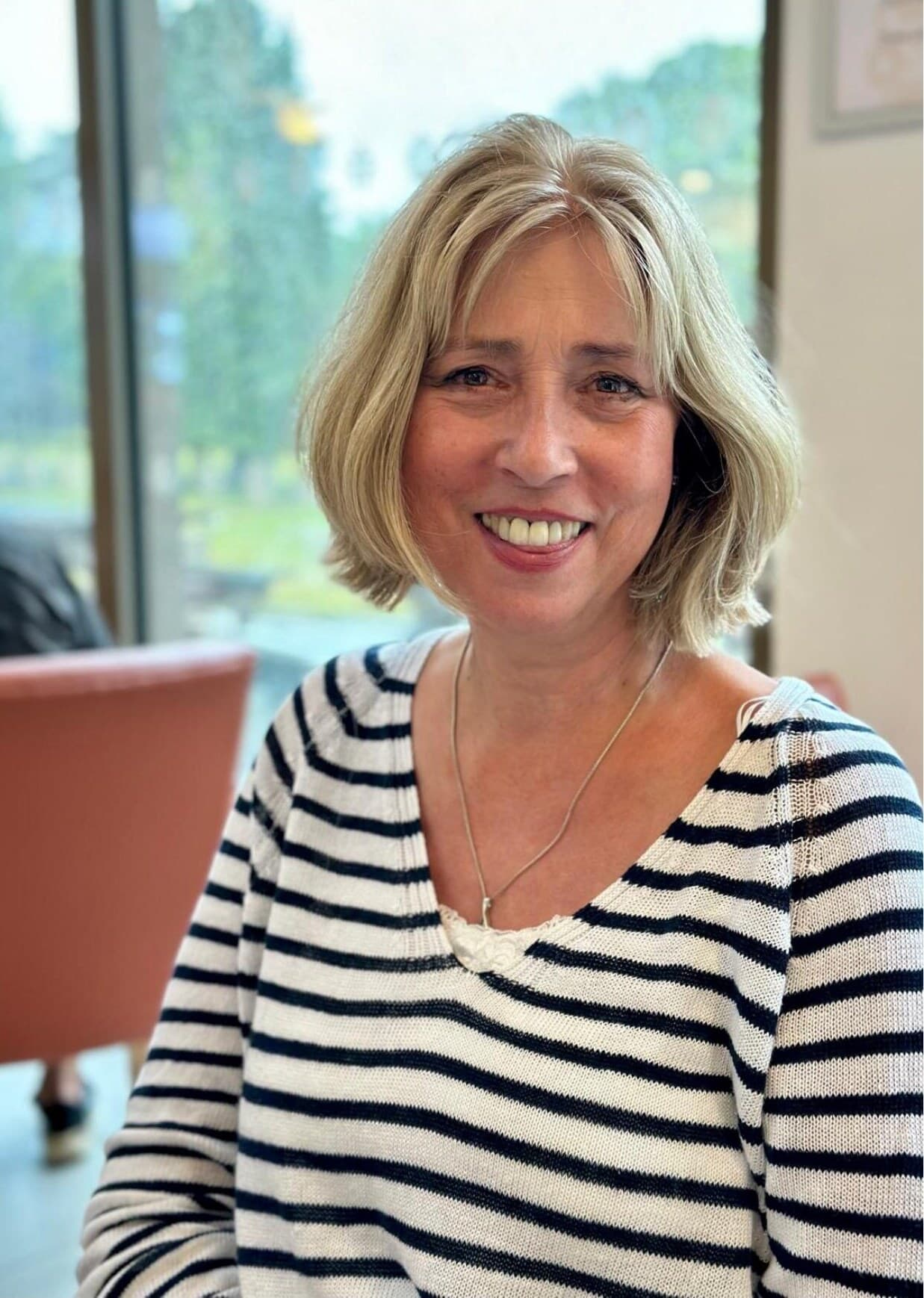
Professor Kahryn Hughes
Professor of Sociology
Kahryn Hughes is Professor of Sociology at the University of Leeds, Fellow of the Academy of Social Sciences, and Director of the Timescapes Archive, a specialist archive of qualitative longitudinal data at Leeds affiliated with the UK Data Service. Her current work examines what artificial intelligence means for human-centred qualitative research, including the ethics of applying AI to sensitive, context-rich data, AI-assisted discovery and curation of research archives, and the use of generative AI in qualitative inquiry. She is co-author of ‘AI Voice Methodology: Using Generative AI in Qualitative Social Research’ (Qualitative Inquiry, 2025) and a member of the ESRC Task and Finish Group on Qualitative Data Science. Her wider interests include data social justice, research integrity, and the implications of open science for qualitative data infrastructures.
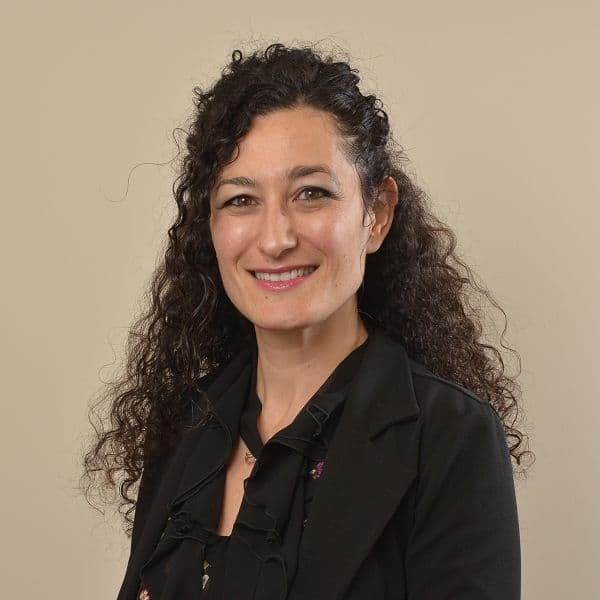
Dr Luisa Cutillo
Associate Professor in Statistics, School of Mathematics
Dr Luisa Cutillo is an Associate Professor in Statistics in the School of Mathematics at the University of Leeds. She is a mathematician whose research develops probabilistic and statistical models, such as Gaussian graphical models and Bayesian frameworks, to make sense of complex, high-dimensional data, particularly in the biological and life sciences. Luisa is Programme Manager for the MSc in Data Science and Analytics and the MSc in Statistics, where she oversees how students are taught and assessed and how the curriculum adapts to fast-changing tools like generative AI. She also supervises PhD students, including within the UNRISK Centre for Doctoral Training, guiding early-career researchers in how to use AI and data-driven methods rigorously and responsibly. Luisa began her career as a lecturer in Italy before moving to the UK as a Marie Curie Fellow at the Universities of Sheffield and Manchester. She has since been an Alan Turing Institute Fellow and a Leeds Institute for Teaching Excellence (LITE) Fellow, and serves as one of the directors on the international board of Women in Machine Learning (WiML). On the panel she brings the view of someone who both teaches the mathematics behind AI and shapes the programmes and doctoral training that prepare students to use it critically.
Open Q&A Session
The panel talk will be followed by an open Q&A session where you can ask direct questions regarding the benefits, negative side effects, and university implementation of AI for education.